Climate Crisis Solutions for a Healthier Planet Act in the interests of healthy lawns and soils, Use less water, causing less runoff pollution, Draw more carbon dioxide out of the atmosphere, Pledge not to use quick-release fertilizer or Round-Up on your lawn, Invite your friends and neighbors, Join us for greener, cleaner landscapes. Capture Carbon…
Continue reading →
As climate change wreaks havoc on our wildlife and agriculture, what do you tell a 13 year-old boy about his future? Oskar didn’t need to be told. Answering his mum why he was crying, the 13 year-old said he wouldn’t be able to live like her, because society would collapse from climate change. Dumbfounded, his…
Continue reading →
The Whole Earth Collaborative is a network of organizations and businesses responding to global troubling trends hosted by the Ocean River Institute. Many, but not all, have endorsed the Scientists’ Warning to Humanity: A Second Notice (BioScience, December 2017) by going to www.ScientistsWarning.org and registering. Organizations and business are welcome to be recognized by the…
Continue reading →
Thomas A. Nies, Executive Director New England Fisheries Management Council 50 Water Street, Mill 2 Newburyport, MA 01950 May 26, 2017 Dear Mr. Nies, I am writing to the Council’s Habitat Committee to comment on the Draft Omnibus Deep-Sea Coral Amendment alternatives. In 2014 I attended the Mid-Atlantic Fisheries Management Council’s presentation by Dr Nizinski…
Continue reading →
In 2019 Congress was directed by the Administration to slash $1 billion out of NOAA’s ocean and weather programs. The Appropriations Subcommittee on Commerce will prepare NOAA’s budget. The Administration has called for slashing up to a billion dollars to eliminate coastal zone management and cuts the Office of Oceanic and Atmospheric Research (OAR) by…
Continue reading →
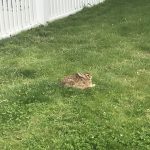
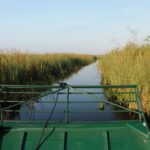
Help wildlife of the Loxahatchee National Wildlife Refuge Invasive plants have so tangled the underbrush that marsh rabbit and deer are unable enter. Rabbit are the main food for bobcats. The introduction of pythons into the Everglades is also reducing the rabbit population. Deer must stand on the narrow strip of land between wet prairie…
Continue reading →
We’ve got wildlife socks to warm your feet when you join with us to save the Loxahatchee National Wildlife Refuge from being shut down. Socks for individuals who give $5 or more a month. Click here to donate through Paypal ($10 minimum or more a month). From top to bottom the fish are mackerel, blue-back herring, cod,…
Continue reading →