Alewife Living Forest
Living Forest Infrastructure for a Cleaner Alewife Brook
When heavy rain hits Alewife Brook in Cambridge, Massachusetts, sewage-contaminated floodwaters spill onto public trails, into neighborhoods, and into wildlife habitat. The 5,000 people living in the Alewife Brook floodplain regularly experience what is reported as the worst raw-sewage flooding in Greater Boston.
During an October 2021 storm that brought nearly an inch of rain, six outlets discharged a combined 2.5 million gallons of sewage-contaminated overflow in just 45 minutes.
What Is Living Forest Infrastructure?
Alewife Brook needs conventional infrastructure. Can living infrastructure help too?
Can we engineer that familiar treatment system to support a healthy native forest at the same time?
In simple terms: a forested leach field—combining a familiar wastewater-treatment principle with ecological restoration.
_________________________________
Engineering and living systems can work together. Can we also slow some of this water, clean it, and return it to the landscape?
The MWRA, Cambridge, and Somerville are accepting public comments. Urge them to evaluate a living-forest pilot as part of their plans to reduce the amount of sewage-contaminated stormwater entering Alewife Brook.
Submit a Comment
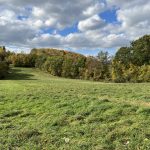
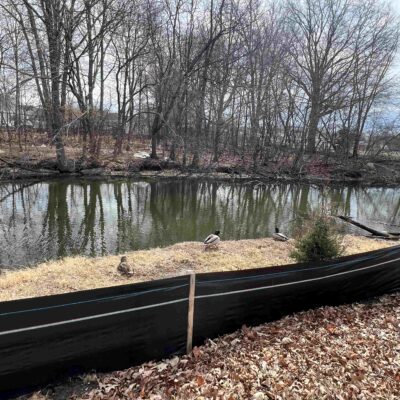
 The roughly 60,000 square feet of mowed grass between Alewife Brook Parkway and the brook could potentially support about 25,000 native trees and shrubs representing a rich diversity of species, many valuable to pollinators.
Could a Miyawaki forest be part of the solution?
Cambridge already has experience with the Miyawaki method of planting dense, diverse native forests. Rather than planting widely spaced trees, the method establishes many native trees and shrubs close together, creating the conditions for a young forest community to develop.
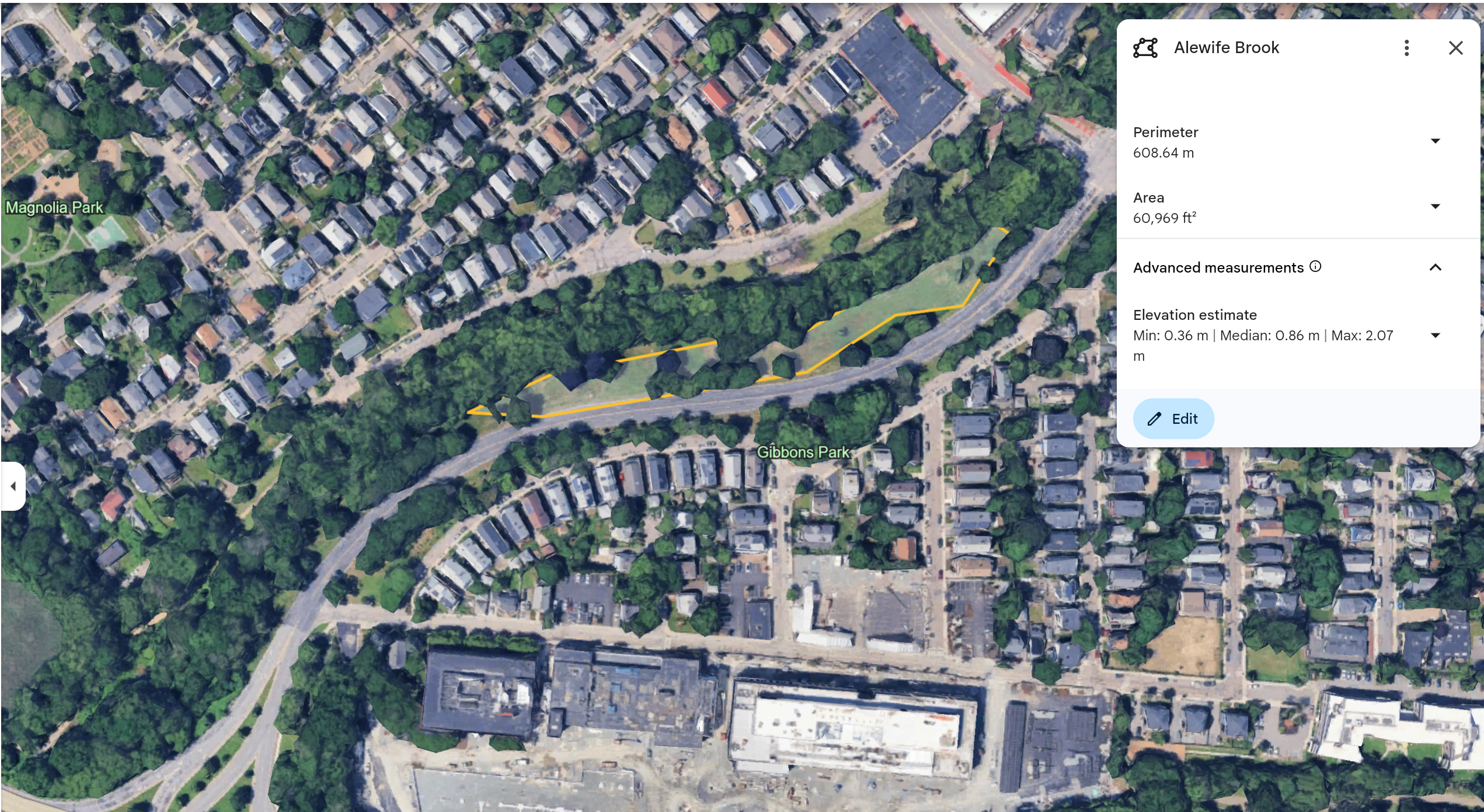
The open areas between Alewife Brook Parkway and the wooded brook corridor total roughly 60,000 square feet.
The mowed upland lies between Alewife Brook Parkway and the brook from Route 2 toward Massachusetts Avenue. At dense planting, this corridor could potentially support about 25,000 native trees and shrubs.
A Miyawaki-style planting is one possibility. The larger idea is not dependent on a particular planting method. The question is whether a healthy native forest can be designed to work together with wastewater infrastructure.
The underlying concept is familiar: a forested leach field.
This would be more than a forest. It would be a pilot in living infrastructure.
A pumping station could pretreat and lift a portion of the CSO water to the Alewife Living Forest, regulating the rate at which water enters the forest rather than subjecting it to the full pulse of a CSO event. Much as in a conventional leach field, the water could be distributed underground, where soil would provide further treatment while supporting thousands of native trees and shrubs.
A pilot would determine how much CSO water the system could safely receive, how it should be pretreated and distributed, and how treatment performance changes through the seasons.
The Alewife Living Forest would complement the proposed and much-needed 3-million-gallon storage pipe and pick up where gray infrastructure leaves off.
If successful, the benefits could extend well beyond treating CSO water. A native forest could provide habitat for birds and pollinators, cool its surroundings, capture carbon, filter air pollution, soften traffic noise from Alewife Brook Parkway, and make the Alewife Greenway more beautiful and welcoming.
Cities across the country are searching for affordable, nature-based ways to manage stormwater in a changing climate. Alewife Brook offers an extraordinary place to test what happens when ecological restoration and conventional engineering are designed together rather than treated as separate worlds.
The Alewife Living Forest would pick up where gray infrastructure leaves off.
The forest could provide many public benefits beyond treating CSO water: habitat for birds and pollinators, shade and summer cooling, cleaner air, quieter surroundings, stormwater interception, and a healthier and more beautiful Alewife Greenway.
Planting thousands of native saplings would be an investment not just in today’s infrastructure, but in a forest that could grow and mature for generations.
How You Can Help
Wanted: Greenway walkers, mushroom foragers, birders, gardeners, ratepayers, pollinator people, salamander crossing guards, small-mammal champions, and earthworm wranglers.
Join the mushroom foragers of the Boston Mycological Club and write a comment explaining why you would like Alewife Living Forest infrastructure. Whom else might you speak for?
Add your voice during the public comment period by completing our comment form here.
Then invite someone with a different reason for caring about the Alewife to add their voice.
This forest can help keep sewage-contaminated water out of Alewife Brook while making its Greenway cleaner, healthier and more resilient. Planting thousands of native saplings would be an investment not just in today’s infrastructure, but in a forest that could grow and mature for generations.
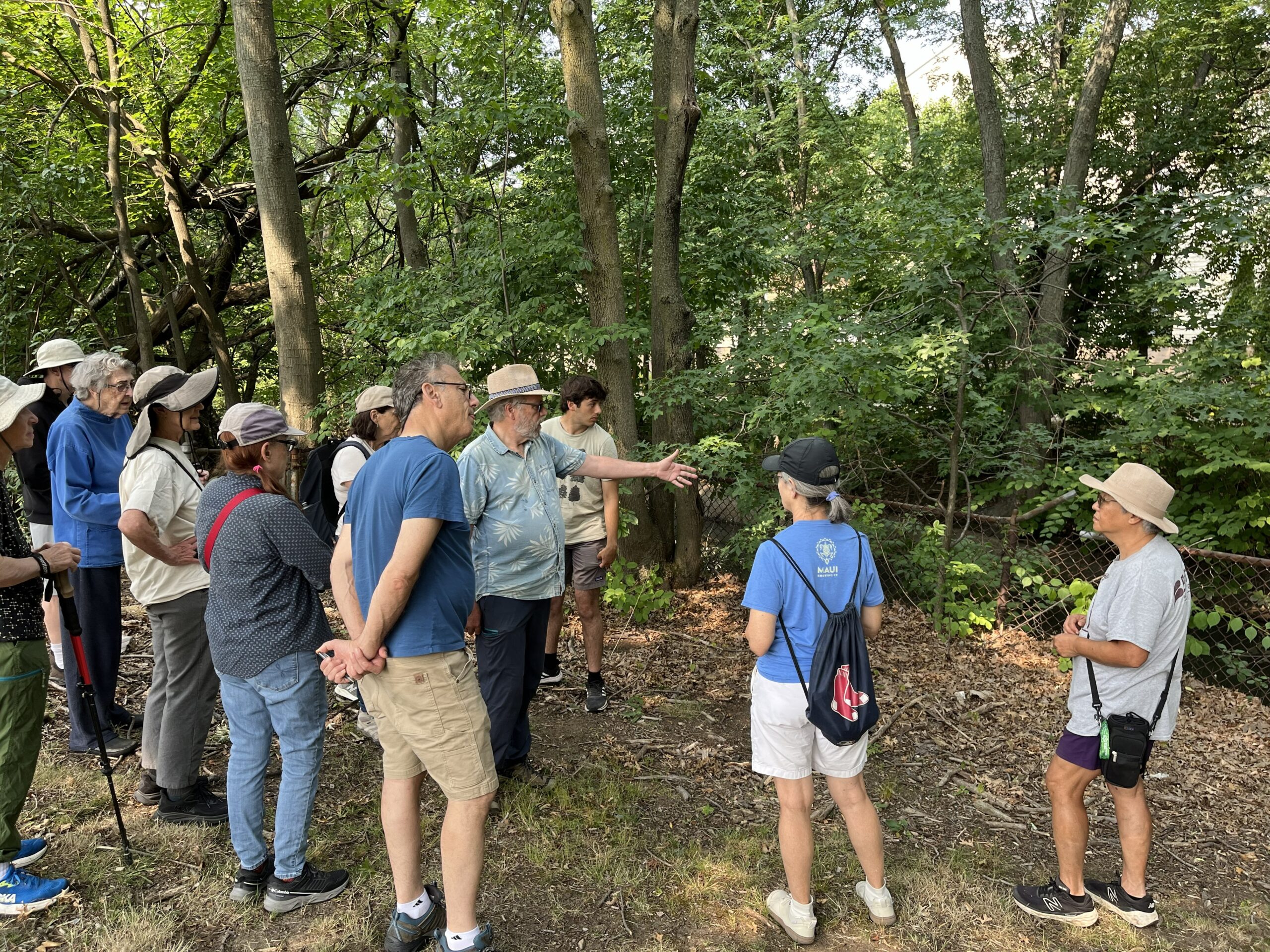
A Forest To Mop Up Combined Sewer Overflow Water on the Alewife Greenway Path
Somerville CSO Water Could Grow 25,000 Trees Without Buying Land
Cambridge Breaks New Ground With Living Infrastructure
Belmont-Built: A Living Forest for a Cleaner Alewife Brook
Mushroom Foragers Call for Alewife Living Forest